Organizational Insights

The information in this section explores the questions that shape how organizations work, and more importantly, how they can work better. The topics range from the factors that influence high performance to better methods of measurement. Each post examines a specific issue in organizational design or analysis and connects it to its practical application and common challenges. The posts also highlight how Orgsure’s analytical approach supports a more complete view of organizations. They show how measurement can replace intuition and how uninformed decision-making affects outcomes. By translating complex data into evidence that leaders can act on, Orgsure helps organizations understand themselves more clearly and design with purpose.

The Role of Pay Distribution in Value Analysis

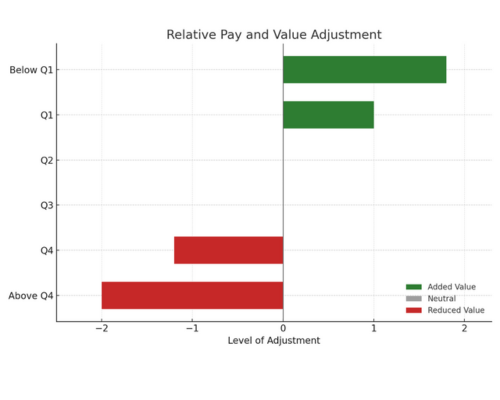
Most organizations view pay purely as a cost, but Orgsure treats it as a signal of value. By analyzing where each position sits within its pay range, Orgsure adjusts value calculations to reflect real return on compensation.

The Case for Strain

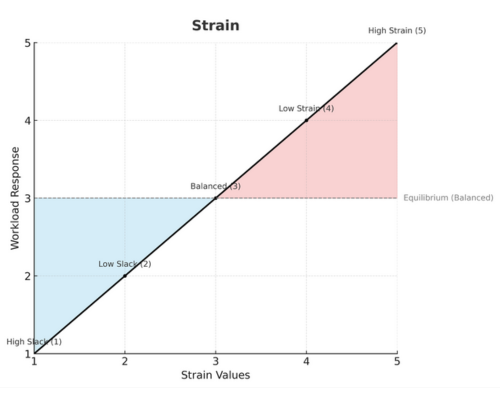
Traditional capacity measures like utilization and productivity overlook how work is actually experienced. Orgsure introduces strain—a capacity-response measure that captures the tension between workload and the ability to absorb it.

The Gap Between Capabilities and Work

Many organizations map capabilities but stop short of linking them to the work that expresses them. As a result, capability models remain theoretical, disconnected from structure, cost, and value.

Other Insights from Orgsure

Lorem ipsum dolor sit amet, consectetur adipiscing elit. Sed do eiusmod tempor incididunt ut labore et dolore magna aliqua.

The Role of Pay Distribution in Value Analysis

Most organizations view pay purely as a cost, but Orgsure treats it as a signal of value. By analyzing where each position sits within its pay range, Orgsure adjusts value calculations to reflect real return on compensation.

The Case for Strain

Traditional capacity measures like utilization and productivity overlook how work is actually experienced. Orgsure introduces strain—a capacity-response measure that captures the tension between workload and the ability to absorb it.

The Gap Between Capabilities and Work

Many organizations map capabilities but stop short of linking them to the work that expresses them. As a result, capability models remain theoretical, disconnected from structure, cost, and value.

Why Measuring Both Expertise and Intensity Matters

Not all work is created equal — some requires deep expertise, others relentless intensity. Yet most systems treat them the same.

Measuring Formalization

Formalization defines how much work is guided by rules versus discretion — yet most organizations only guess at how it operates.

Measuring Centralization

Centralization debates often rely on opinions, not data. Real insight comes from measuring where decision-making authority truly sits — who decides, who approves, and who executes.

The Hard Data Behind Capability Gaps Leaders Miss

True capability health lies beneath the surface, in the jobs and activities that drive value, cost, and risk.

Uniqueness and Standardization: Seeing What Really Sets Work Apart

Uniqueness reveals where activities truly differentiate an organization, while standardization shows where that differentiation can scale.

Other Insights from Orgsure

Lorem ipsum dolor sit amet, consectetur adipiscing elit. Sed do eiusmod tempor incididunt ut labore et dolore magna aliqua.

The Role of Pay Distribution in Value Analysis

Most organizations view pay purely as a cost, but Orgsure treats it as a signal of value. By analyzing where each position sits within its pay range, Orgsure adjusts value calculations to reflect real return on compensation.

The Case for Strain

Traditional capacity measures like utilization and productivity overlook how work is actually experienced. Orgsure introduces strain—a capacity-response measure that captures the tension between workload and the ability to absorb it.

The Gap Between Capabilities and Work

Many organizations map capabilities but stop short of linking them to the work that expresses them. As a result, capability models remain theoretical, disconnected from structure, cost, and value.

Why Measuring Both Expertise and Intensity Matters

Not all work is created equal — some requires deep expertise, others relentless intensity. Yet most systems treat them the same.

Measuring Formalization

Formalization defines how much work is guided by rules versus discretion — yet most organizations only guess at how it operates.

Measuring Centralization

Centralization debates often rely on opinions, not data. Real insight comes from measuring where decision-making authority truly sits — who decides, who approves, and who executes.

The Hard Data Behind Capability Gaps Leaders Miss

True capability health lies beneath the surface, in the jobs and activities that drive value, cost, and risk.

Uniqueness and Standardization: Seeing What Really Sets Work Apart

Uniqueness reveals where activities truly differentiate an organization, while standardization shows where that differentiation can scale.

Structural Depth: The Forgotten Dimension of Design

Structural depth, the number of hierarchical layers and how authority flows through them, shapes cost, agility, and accountability as much as span does.

Measuring Value Outside of Streams

Value stream mapping shows how customer-facing work flows — but it tells only part of the story.

Making Governance Measurable

Governance often lives in policy, not in practice — leaving leaders guessing how authority and control really function day to day.

Why Efficiency Gap May Matter More Than Efficiency Itself

The efficiency gap measures the difference between current performance and future potential, revealing where redesign, automation, or smarter support can deliver the greatest gains.

Focus and Enterprise Architecture

Enterprise Architecture (EA) promises to align strategy, capability, process, and technology into a cohesive organizational blueprint.